

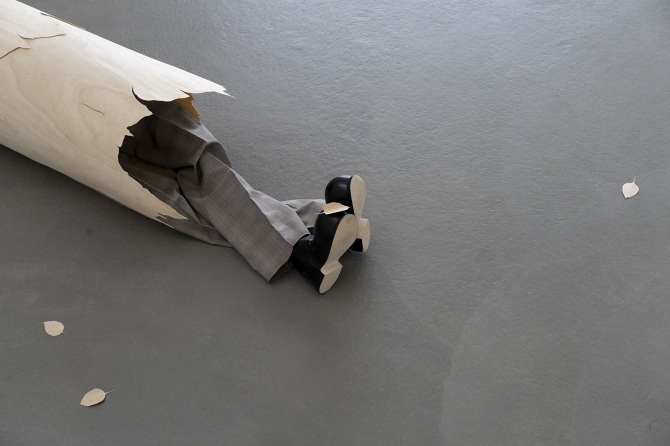
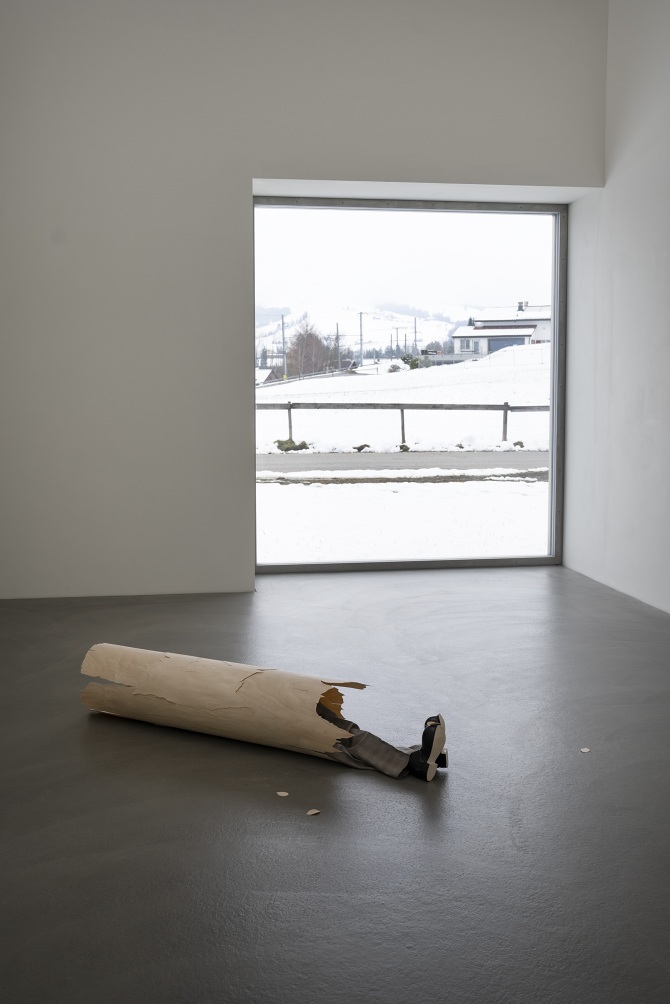
Healthy trees grow best near unhappy lovers, 2024
CENCIO
“C’era uno straccetto celestino
sopra il muro
tutto sgualcito di ditate rosa
tenuto su da due borchie di stelle
ed io lì sotto
come un cencio cinerino
in cui la gente inespica
ma che non val la pena di raccogliere
– lo si stiracchia un po’ di qua e di là coi piedi
e poi
a calci
lo si butta via – ”
Antonia Pozzi, Milano, 8 aprile 1929
Rag
“There was a piece of sky-blue cloth
on the wall
crumpled with pink prints
held aloft by two starry rosettes
and me underneath
like an ashen rag
that people trip over
but not worth picking up
– you stretch it a little here and there with your feet
and then
with your shoes
you give it a good shove – ”
Antonia Pozzi, Milan, 8 avril 1929
Why do people carve signs onto trees that only they understand? What urge drives them to engrave the bark forever? What is the purpose of leaving an evergreen trace on another being (or on its remains), despite the risk that the entity for whom the message was intended might never know about it? The deformed bark becomes a witness—a ghost?—of past loves and friendships; the remains of a dead tree imbued with memories, with jolts of tenderness that are henceforth indelible.
Healthy trees grow best near unhappy lovers lies somewhere between memory and dream. Neither a model nor a drawing, the work blurs the dichotomies between subject and object, between sender and receiver. The voice resonating in the dead wood is not confined to the work; it is an external point of view, a voice-over calling us to enter into the narrative crafted by the artist. The words written by Simon Pellegrini, as if declaimed by a third, invisible character, invite us to consider the presence of the trunk and its visitor as subjectivities in conversation not only with each other but also with their audience.
Pellegrini explores the narrative potential of nostalgia. Taking the form of installations, drawings or moving images, his stagings are based on the telling of memories, real or fictional, or an interweaving of the two. Like a fairy tale, his work weaves together motifs from childhood, uncanny but constant emotions to which we attach different meanings and feelings over the course of a lifetime.
Clara Chavan