

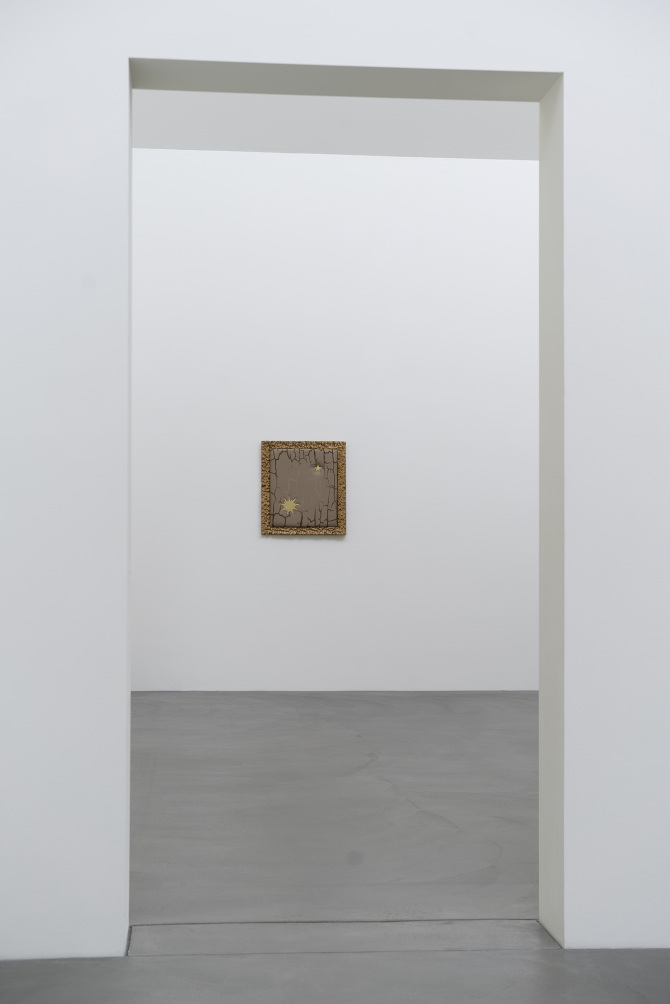
Arboglyphe, 2023
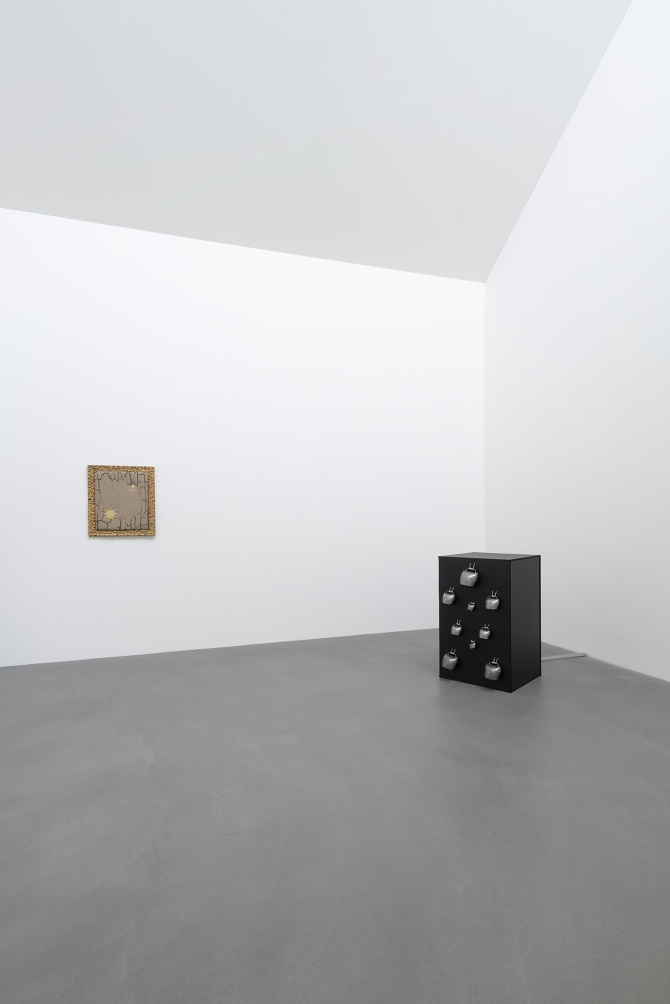
La rosée du matin, 2023
ouroboros, 2024
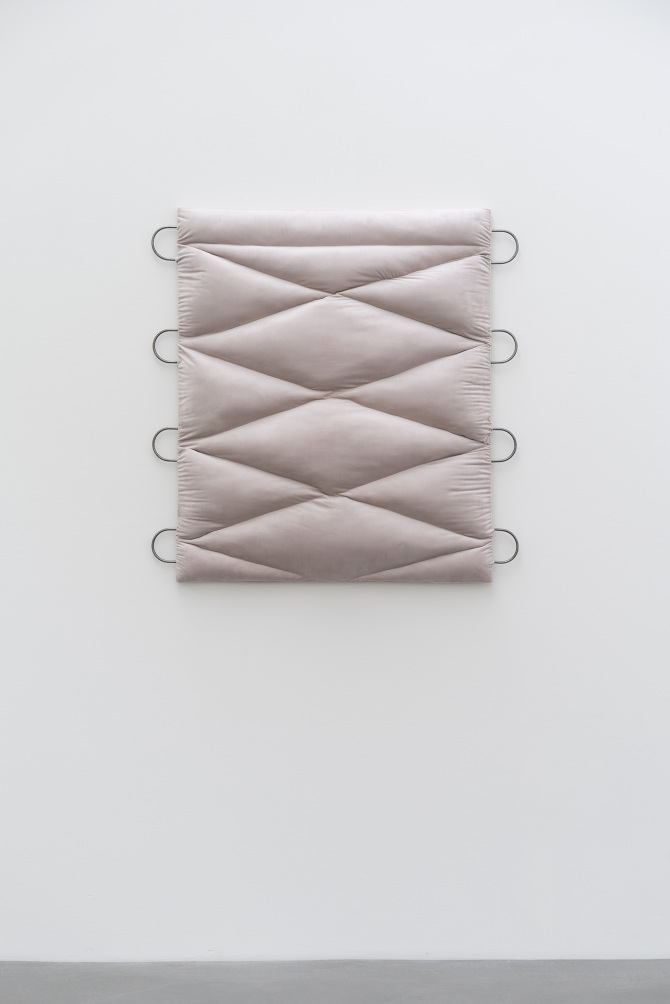
Giselle, 2024
Marine Aebischer was born in Gruyère, in the canton of Fribourg. A favorite destination for 4th grade school trips, this region also reflects a countryside in transition: between rural depopulation and urban sprawl, the once-preserved spaces are increasingly reduced, invaded by technological infrastructures supposed to represent the future. It is in this context that the artist began to pay particular attention to the world around us, observing chickens at the bus stop or that old farm seemingly planted in the midst of shopping centers and highways. It is precisely this tension that the artist seeks in her work.
Drawing inspiration from rural cultural practices and the folklore that accompanies them, she offers a contemporary reinterpretation of their symbols, rituals, and aesthetic universes. Aebischer appropriates so-called folkloric objects which she subverts with great respect not only for their original uses but also for their often artisanal manufacturing techniques. Devoting part of her time to learning these traditional techniques, she enriches them by coexisting with industrial production methods.
Her proposal for Plattform explores the same universe, but on this occasion, the artist specifically focused on Appenzell folklore. After closely studying the forms, symbols, and materials that make up the cultural heritage of the region, Aebischer was particularly struck by the traditional costumes and their various functionalities. Often associated with festive events, these costumes were considered by the artist not only for their formal aspect but also for the phenomenological and emotional experience they could evoke. Her pieces offer a new formal perspective inspired by traditional costumes; the result of a sweet blend of memories from Gruyère and current pop culture.
At the Kunstmuseum Appenzell, pastoral life meets techno nights; they share the common morning dew: La rosée du matin. Through this, Aebischer manages to demonstrate the unexpected proximity of our different ways of celebrating and gathering. By bringing together two sonic universes, she invents a new sound amplification device, reminiscent of both a subwoofer and a herd of cows in the distance.
The traditional Appenzell costume features an Ohreschuefle.1 This is an earring composed of a ladle (a working tool of the cowherds) and an ouroboros (representation of a serpent biting its tail); reproduced on a large scale in transparent resin. Here, the ladle is nothing more than a distant memory; this is how the earring is worn in daily life. Representing one of the oldest and most widely present symbols worldwide, the artwork refers to a language that transcends borders and time.
Giselle: inspired by a traditional costume bodice, the piece of quilted velvet oscillates between formal minimalism and industrial design.
Arborglyph, composed of the same materials as the Chüeligurt, allows for a double interpretation of the material, playing between jewelry and furniture. Also drawing inspiration from the world of games, this piece remains an enigma that everyone can try to decipher.
Katia Leonelli
(translated from French, P24)