

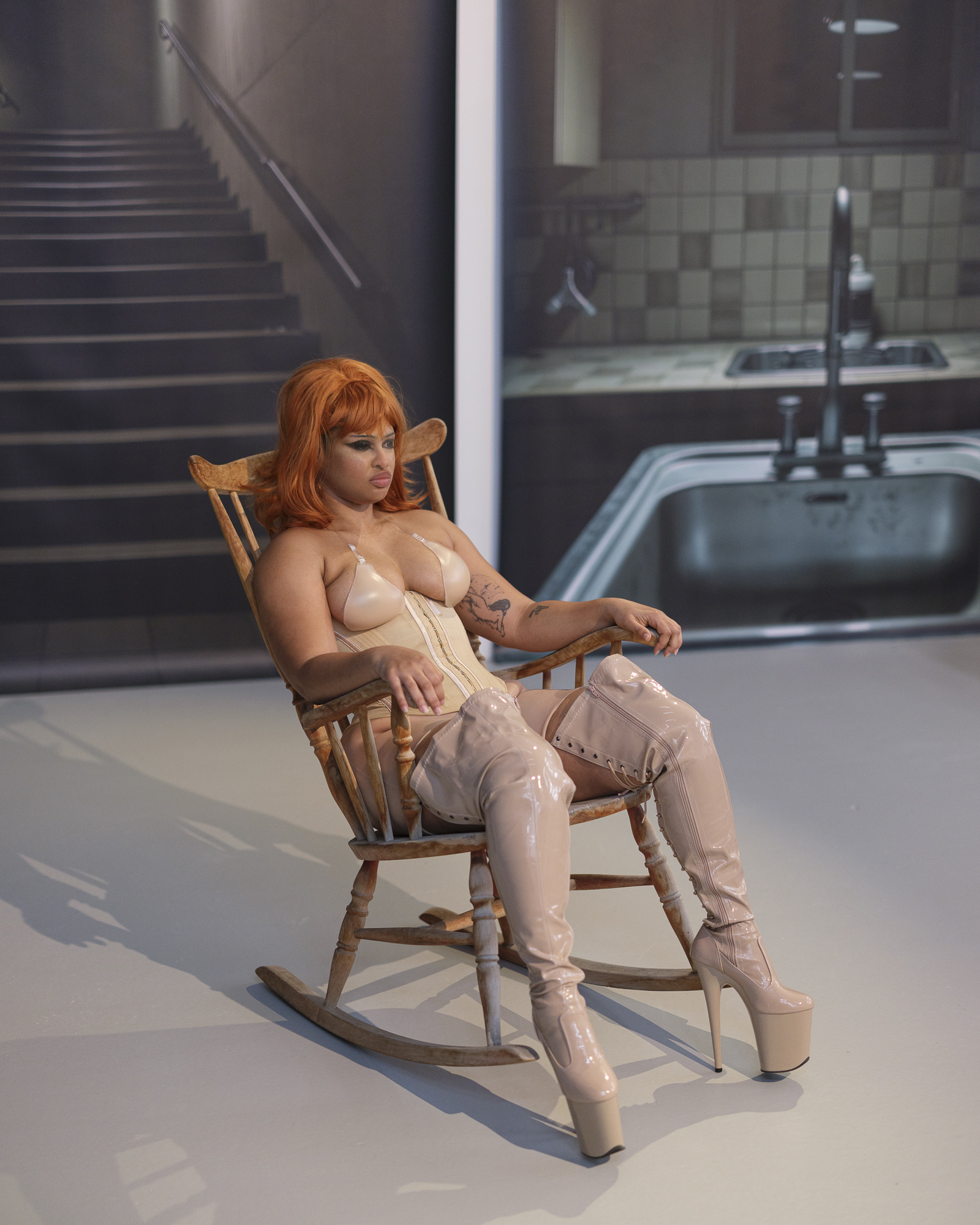
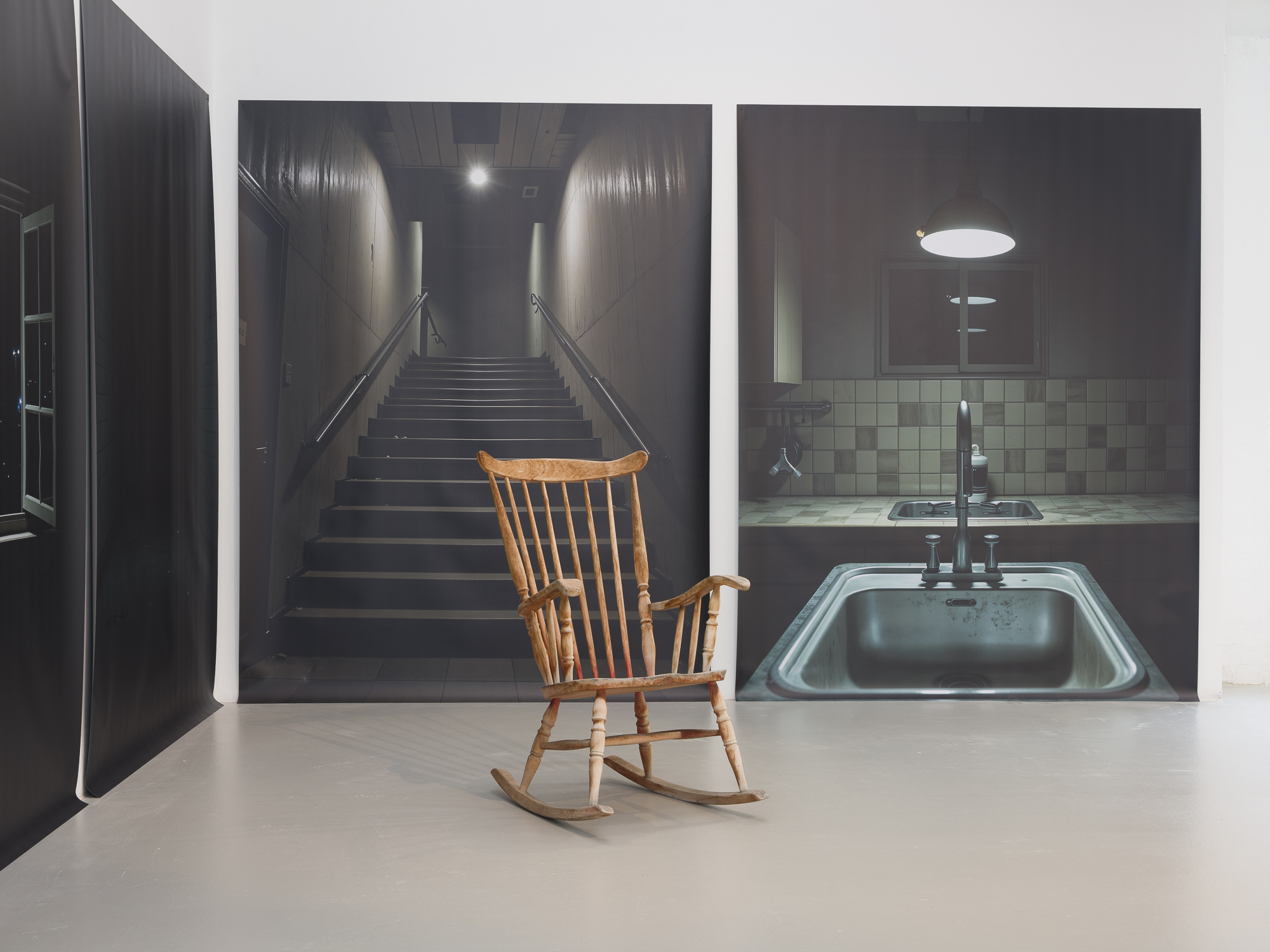
Edge, 2025
“A consolidated consciousness resides
in a darkened banqueting hall near
the ceiling of a mind whose floor shifts as ten
thousand cockroaches when a shaft of light
enters as all thoughts unite in an instant of accord
body no longer expellent as the cockroaches
comprise a truth which no one ever utters.”
Sarah Kane, 4.48 Psychosis, 2000.
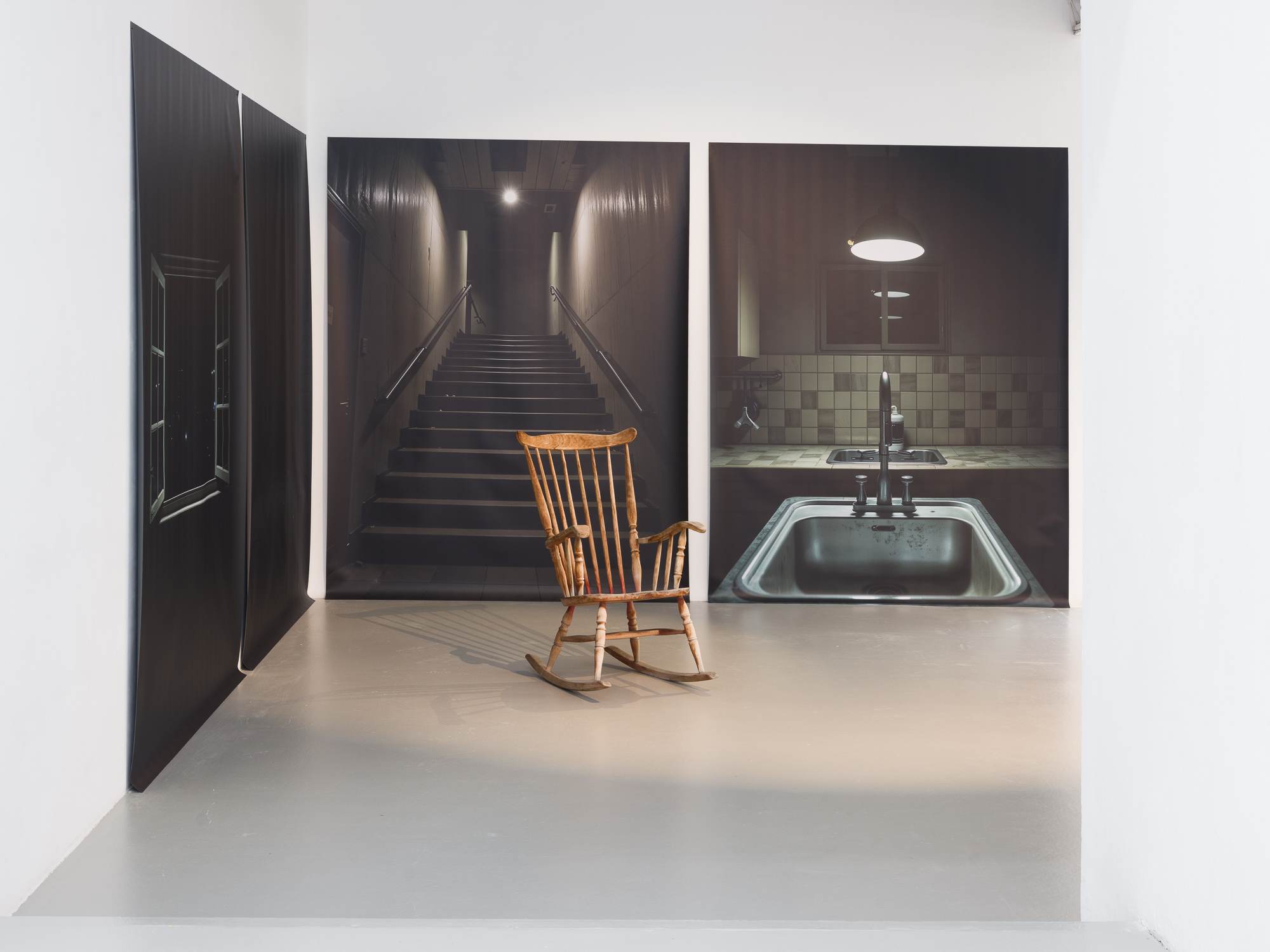
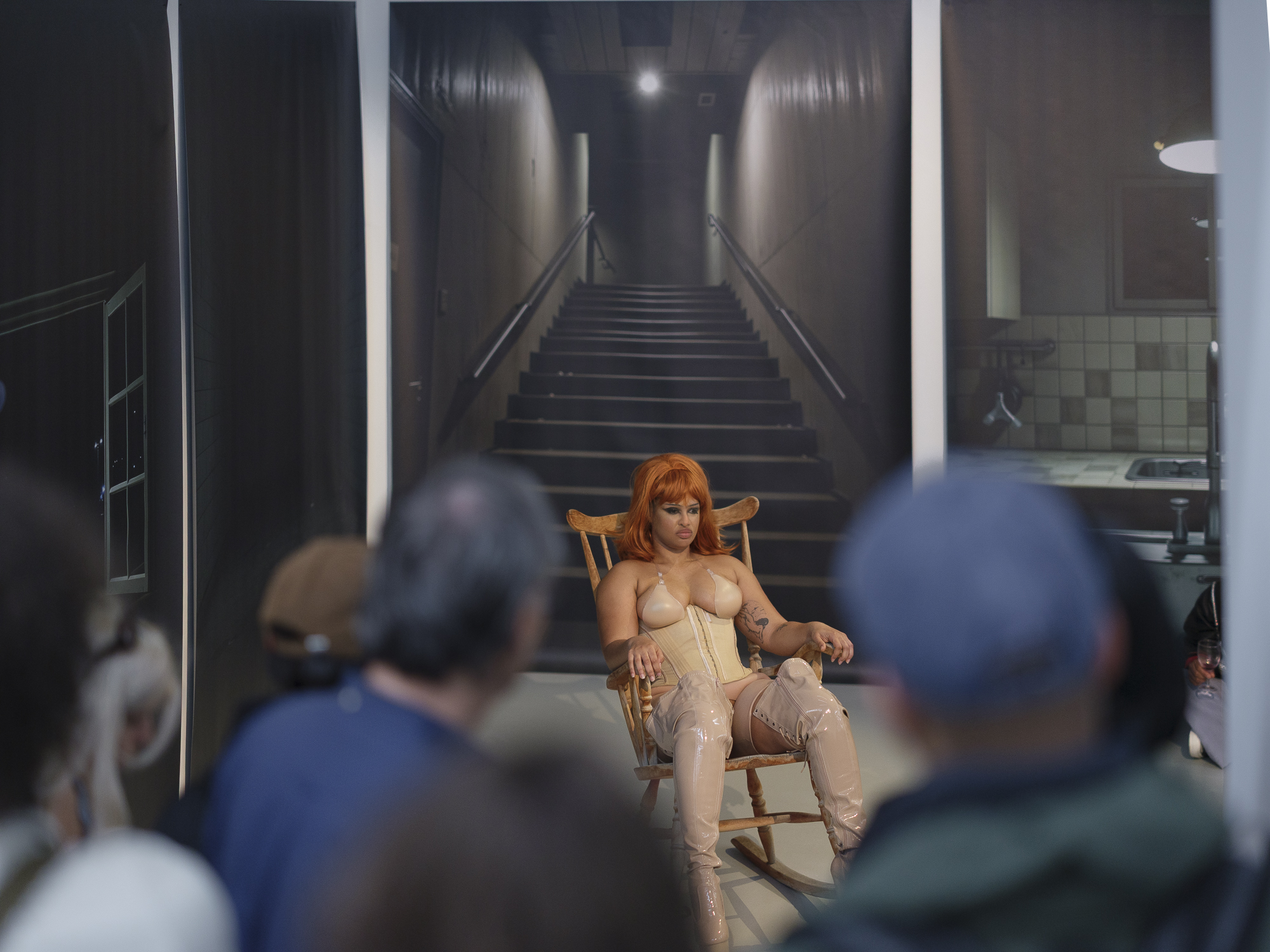
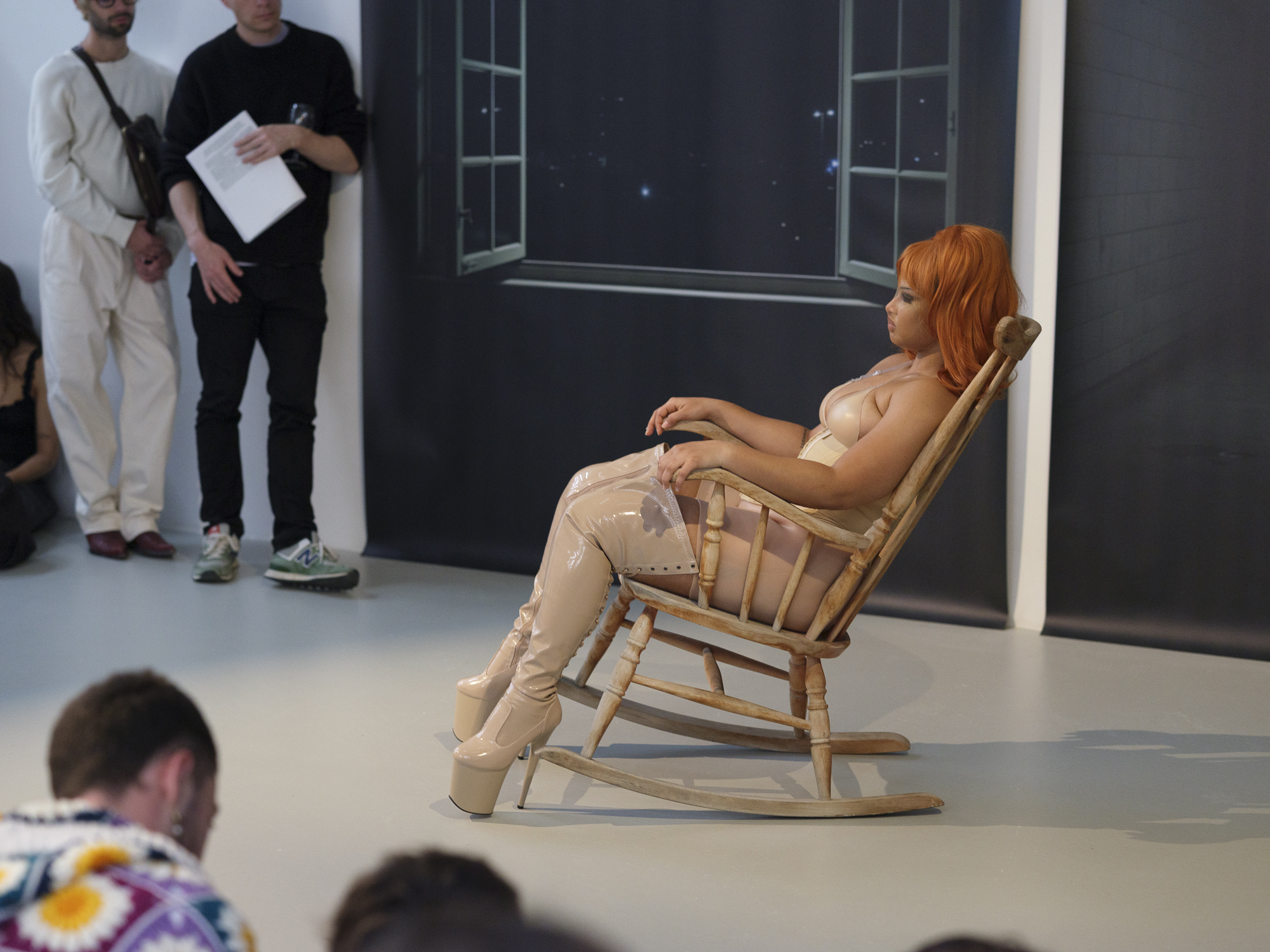
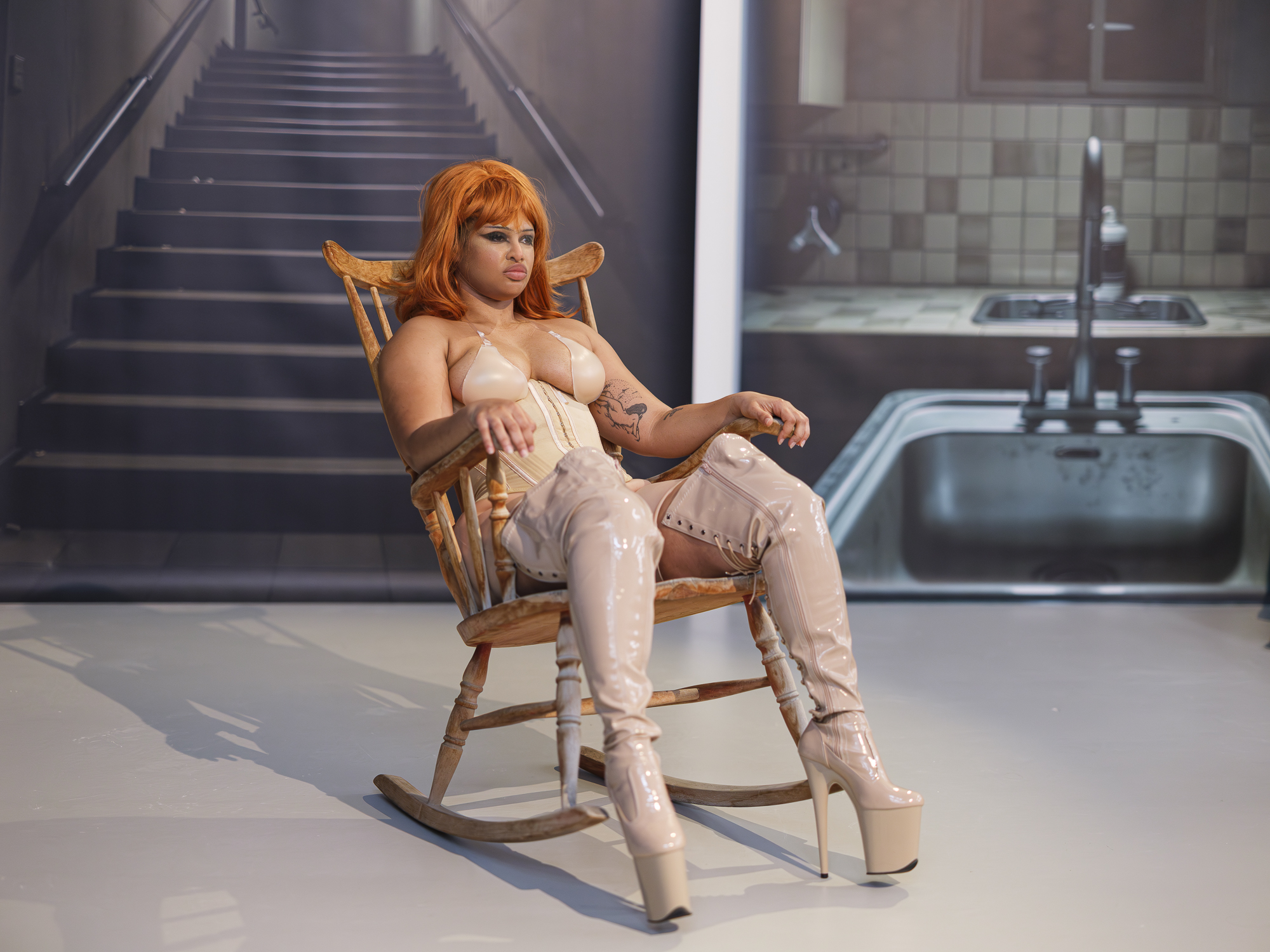
This quote is not so much meant to link Edge (2025) to the subject matter of 4.48 Psychosis (2000), but rather to its form. Edge seeks a phenomenology of tension, aiming to convey something on the verge of happening–an intense emotion (at either end of the spectrum) on the brink of bursting forth.
The artist’s stance seeks to express the in-between, the subtlety within violence, a tool with both destructive and emancipatory potential. Edge is both the moment of the performance and what remains in the absence of the artist’s body. Its stillness operates as a clue, a subtle shift between all the layers of a shared reality. (unless it is, in fact, a violent dissociation) Here, the unspeakable can only resonate through slow movement and through the interaction between subjectivities situated somewhere between observing and being observed. The figurative opening of Edge is at once a gaping wound and a gasp of fresh air following laughter sparked by awkwardness or joy.
Mélissa Biondo’s (based in Geneva) practice is literary, literal, visceral–grabbing the gut through movement and sound, using her own body, whether alone or with others. The notions of stage, staging, and characters (whether players or not, playable or not) are central, referenced through winks that are at times tributes and at times critiques of theoretical tropes tied to the performative medium. The intent is above all to find cracks, fractures, and other interstices in order to continue creating and being free (to exercise free will and critical thought).
Clara Chavan
Translated from French